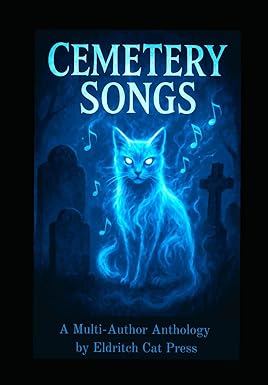
Busy season for horror and dark fantasy. Pooped. Back again with yet another anthology appearance. This time for a new genre publisher, called: Eldritch Cat Press. The editor there is the talented Alanna Robertson-Webb. And for this press’s debut anthology they decided to go with something themed. Stories centered around three things: cemeteries, songs, and cats. The anthology includes all those things. That’s the recipe here. It got such an amazing turnout, it spawned TWO volumes. I was one of the lucky authors to make it into the first volume. Volume one. My story takes place in ancient times, Greater Assyria. It’s called: “Songs for the Unburied.” I’ll leave pictures and essential info below. Check it out on Amazon, in print or ebook formats.
Cemetery Songs Anthology – Volume #1
Published by Eldritch Cat Press – Edited by Alanna Robertson-Webb
Featuring Dagstine story:“Songs for the Unburied”
***Available on Amazon Kindle or in print paperback formats***
Company Logo Copyright Alanna Robertson-Webb, Eldritch Cat Press
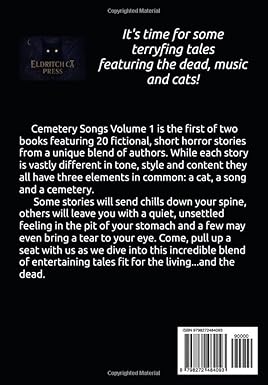
DESCRIPTION FROM AMAZON: ‘Cemetery Songs Volume 1 is the first of two books featuring 20 fictional, short horror stories from a unique blend of authors. While each story is vastly different in tone, style and content they all have three elements in common: a cat, a song and a cemetery. Some stories will send chills down your spine, others will leave you with a quiet, unsettled feeling in the pit of your stomach and a few may even bring a tear to your eye. Come, pull up a seat with us as we dive into this incredible blend of entertaining tales fit for the living…and the dead.‘
Other New Entries:“Books & Anthos” and “Digital Credits”
Happy September to you all. Autumn is just around the corner, and this is where I start getting a lot of short fiction acceptances and stuff published. Always September through December. And for this website post, I am currently appearing with a reprint in the Substack publication: “Androids and Dragons: A Journal of and about Speculative Fiction.” It has hundreds of followers, hundred of readers. It’s a token-paying market. There’s a lot of these Substack newsletter publications (in the form of modern webzines), popping up these days. In the old days, when I first started getting published, a lot of webzines were hosted by Lycos or Geocities. Or they depended on programs like Dreamweaver and Flash, to look stylish for the time period. It seems Substack is becoming a major platform to build your fiction-reading audience. Stories can be emailed to subscribers, direct to their inbox. You can read a short story anywhere, not just home computer but on your phone on the go. And it pops up really quick on search engines, because the one thing Substack has going for it is many a search engine algorithm. The editor is Jenna Hanan Moore. I’ll leave any links down below, direct or otherwise. And the name of my reprint is: “Past and Present Company Excepted.”
Androids and Dragons: A Journal of and about Speculative Fiction
Substack Publication – Edited by Jenna Hanan Moore
Featuring Dagstine reprint: “Past and Present Company Excepted.”
Photo credit: Caras Jr. on Unsplash, 2025.
The September Edition Opening Page – (click link, be redirected):
And speaking of Substack publications or newsletters, I’ve updated my own personal one recently. But only with a quickie. You can find a link to that right below…
For my next speculative piece it’s another new one, and we’re going into an anthology themed around a very controversial subject. And that’s genocide and The Holocaust. I was inspired to write this story after reading Elie Wiesel’s epic biography, Night. My story is dark science fiction meets horror meets alternate history. It features Adolf Hitler. And robots. These robots are known as The War Machines. Hitler and the robots are main characters in this dramatic tale. Because of the subject matter, a lot of editors didn’t want to read or take a chance on this piece (probably one of my most powerful in a long time; I have another powerful story written in the second person slated for later this year). The name of my story is: “Christmas along the Danube.” It is indeed a holiday story, it is a trigger warning story, there is death, and you can find it right now in the Culture Cult Press anthology, Genocidal. Every piece in Genocidal features some form of subject matter on genocide or the Holocaust. It might be poems, it might be essays or non-fiction, firsthand accounts, or in my case, dark science fiction. Though I suspect any firsthand stuff would have been passed down through the ages. Still, go check out my story, along with the other authors’ contributions. Ordering links will be further down below.
#GENOCIDAL – Published by Culture Cult Press
Featuring Dagstine story:“Christmas along the Danube”
Where to order your copy (click links, be redirected):
Also check out my latest chapbook from Farthest Star Publishing,
SMALL FAVORS by Lawrence Dagstine
I would say if you want to get introduced to my more extreme forms of horror writing in 2025, and you’ve never read a Lawrence Dagstine piece before, then you want to start here: Small Favors, then follow up with Christmas along the Danube in Genocidal, and later this year (say, October) Inherited in the book, No Exit. Those three pieces. Trigger warning for each one.
2024 will arguably go down as my best year in writing and submitting; 2023 wasn’t so bad either (The Nightmare Cycle was published and I got an advance for it). I wrote a record sixty-five short stories between November 2023 and December 2024—all new. During that time, I also received the most book, anthology, and magazine acceptances (some yet to be released) for a single calendar year, surpassing my previous record year of 2008. I received acceptances from a variety of markets—mainly genre, as that is my specialty—in science fiction, fantasy, horror, and even humor. These markets ranged from pro-identifying to token, including small press and micro press. I also appeared in two anthology-magazines that went to number one on Amazon; another Kindle Anthology broke the Top 100 in World Literature, and a handful of my other offerings made it into the Top 100 or Top 500 sales rank-wise. That’s never happened to me before. Additionally, I have a couple of new books out right now (see right-hand column, scroll down).
My rejection ratio was fifteen turn-downs for every acceptance, if you’re curious about the odds. Yes, where there are acceptances, there are rejections. It comes with the territory. But I’m not here to toot my horn. This was a personal goal I wanted to achieve, and I did. I wanted to see if I still possessed that 2000s-era magic.
At fifty years old, you stop measuring press levels—Pro, Semi-Pro, Hobby, Indie—and accept whatever comes your way, especially if it’s available physically (paperback or hardback), and you know how to hustle and sell it. Believe it or not, most of my readers are not from the United States. Many Americans are too dependent on technology, staring at their smartphones all day, or engaging in activities that don’t involve literature. If they do read, it’s usually the “obligatory” twelve books per year—one per month. I’m guilty of this myself. I used to read a hundred books per year, but as you get older, there are only so many hours in a day. Most of my readers hail from places like India, Japan, and, oddly enough, Belgium. Earlier this year, readers from India wrote to tell me how much they liked my horror stories. I appreciate that; I’ve never received such feedback from US readers. Obviously, I was flattered. I joined two writing groups in Manhattan, got the necessary certifications, and became a writing teacher, which is relatively easy in New York State compared to other places.
As we get older, we often become adjunct professors, tutors, instructors, substitute or assistant teachers. We take up residencies, shepherd online MFA programs, hold online and in-person workshops, and add experience to our curriculum vitae. The revenue from these workshops helps fill our fridges. We may teach English as a second language if we move overseas or teach the short story form, novel writing, story analysis, and linguistics. We show younger writers our techniques and formulas, paving the way for them and enlightening them on how we did it. We pass our knowledge to the next generation of aspiring writers. We take on protégés. Other jobs we take on include writing advertising copy, technical writing/business writing, expository essay writing, things like that.
I can’t believe I’ve been doing this for thirty years. Sometimes I wonder if I wasted my life. Should I have pursued another field? Should I have become a full-time artist and taken up comic illustration, which was my passion in the early ‘90s? Despite my love for science fiction, I would have preferred seeing the art through. I lost my love for drawing in late 1994 and turned to writing instead. Applying for art jobs thirty years ago, where prospective employers said comic art and graffiti art weren’t “real art” didn’t help. So I ended up in writing. I appeared in a couple of magazines, made some cash, and bought nice things. Picking up every genre magazine I could get a hold of in Borders and meeting Kurt Vonnegut regularly while working as a delivery boy for a pharmacy further fueled my enthusiasm.
Author Mercedes Lackey once noted that 90% of the writers in the SFWA (Science Fiction Writers Association) have had or currently hold full-time jobs. The rest have spouses who work full-time, serving as the breadwinners, covering the overhead, and providing health insurance for the family. Alternatively, the full-time writer might be retired and living on a pension or 401K. I could join the SFWA tomorrow. But at my age? For what? Bragging rights? I’m ready for the grave. This isn’t to say I won’t produce an anthology in the future. I’m full of ideas, and I won’t accept anything less than outstanding. But hey, I’m old. Many of the books with my stories are published by presses that might not exist in five or ten years. Presses come and go; the same can be said about good books. Publications go on lengthy hiatuses. Economies rise and fall. Inflation affects spending habits. People’s reading preferences change. Advertising techniques and technology evolve. Not only that, over 10,000 books are self-published per day, so there’s no such thing as professional competition anymore. It’s a too-open field. Also, generational shifts happen, and what was popular with one generation might not be with the next. How many people do you know in 2025 who have a profound love for Philip K. Dick, Isaac Asimov, and John Brunner like I do?
I’m very much a socialite. I often go into the city, visit upscale places, penthouses, private parties, and get the VIP treatment. I network and get my books into these places. You have to network in this day and age. Word of mouth is still a very powerful tool, and you want to get non-genre readers interested in reading genre. When I sit down with a glass of wine and talk to affluent or corporate types about horror, they say, “Oh, Stephen King!” And that’s it. They don’t know anybody else. They think Stephen King is the only author there is when it comes to horror. I say, “You haven’t read the work of Paul Tremblay, Stephen Graham Jones, or Josh Malerman?” They give me a daft look. Who? What? They don’t even know that Stephen King has two sons who also write (Owen and Joe). They think Stephen King never had children. But we know. Because writers read each other. We are aware of each other. And it’s kind of depressing in a way. It’s like we’re trapped inside this shrinking genre bubble, and you’re not sure if it’s going to burst or when it’s going to burst. It’s disintegrating, for sure, it’s just a matter of when. You hope it pays your utilities for as long as it can, at least until you take up a teaching position or land an agent. Only 15% of writers ever land an agent and break into the Big Five. And that number shrinks with age. Some are luckier than others; your mileage may vary. What happens for most, whether traditionally published or indie-published, is we end up at genre conventions, gaming cons, comic cons, indie bookstores, or local fairs and fests, and our literature is available at vendor tables.
Nowadays, many people publish each other in a quid pro quo fashion (tit-for-tat), which is fine, but simply reading each other’s work isn’t sustainable in the long term. It seems we’re just passing time until we reach the end. If we’ve chosen writing as our forte, we must have a lot of time to spare. Some of the biggest names, award-nominated genre writers, are suddenly submitting to semi-pro and token markets. This used to be a no-no. Yesterday’s professional paying magazines now depend on Patreons or annual crowdfunding just to survive. And then there’s Artificial Intelligence, which will inevitably replace us in the next 20 years. I’ve seen some of these young tech kids at conferences, and what they can do with Python and Stable Diffusion; they’re smart.
Publishing was a very different animal in the first ten years of the Internet. You could actually make an income from freelancing regularly, and web content was big! Webzines were especially big. They were new, they paid fair money, and there wasn’t much of an editorial filter, but you got your byline and content out to the world. A handful of these sites were built with Dreamweaver, Frontpage (Microsoft), or typical HTML coding. Some were even hosted by GeoCities. Plus, the cost of living was cheaper back then (my rent was only $650 to $750 per month during this era, utilities included). You could stay home, take care of the kids, and have paper checks coming to your mailbox. This was still before the age of PayPal, Venmo, Zelle, and other electronic payment methods. So it was paper checks. If you were a freelancer of genre fiction and creative non-fiction, and you were a quick writer and productive, you got paid $20 to $50 per piece consistently! Sometimes more, sometimes less. One on top of the other. Some of the webzines that appeared in the first ten years of the Internet were Atomjack Magazine, Whispering Spirits, Midnight Times, Dawnsky, The Random Eye, Gotta Write Network Litmag, and hundreds of others! I appeared in many of these places, scouring market sites like Ralan and Spicy Green Iguana on a daily basis. The Boomers never went near these little zines, but I did. And I got my name out there. And I was paid. And I bought clothes. And I bought food. And I paid bills. At one point, I even had a $6000 bank account put aside for my infant son—from writing. There was a time when I had 200 different stories in a folder on a Windows XP laptop, and I would submit to any paying market, even those offering $5.00 compensation. Acceptance here, acceptance there. You do the math. You might find these webzines on the Wayback Machine, but if you’ve heard of the ones I just mentioned, you’re old and gray now, just like me.
To this day, I think the periodical I was paid the most for a single story or article was in either 1999 or 2000, and this was in a queer publication called GENRE Magazine. Or just Genre. And it had nothing to do with genre. They didn’t even publish science fiction. That was just the name. It was primarily a New York-based gay lifestyle magazine with a modest circulation for its time period. It was distributed to LGBTQ-identifying establishments before LGBTQ was even a term. Before ebooks, before Amazon, when physical publications still had modest circulations. When people still relied on the Writer’s Market. I was paid $750 for two, maybe three hours worth of work. The editor said he would take care of the grammatical errors. I kept my mouth shut, let him handle it. Nowadays, twenty-five years later, that same $750 is your paycheck for a horror novel to a rising indie press.
Still, I’m thankful I didn’t become a full-timer in this day and age. I own nice things. Call me materialistic, but I enjoy my little luxuries: designer clothes, nice electronics, video games. I can buy my family birthday and Christmas presents. I can wine and dine on occasion. Some writers who went all-in don’t have that luxury. Imagine not having health insurance, unable to run to an emergency room or urgent care. A vast majority of writers don’t have insurance. Sure, some scored two or three-book deals with the big houses, only to not sell to expectations and never be heard from again. So when people ask me what advice I would give an aspiring writer in 2025, I say, “Don’t quit your day job. Do this strictly for passive income. Do this because you love it. For the sake of art. Do this because you like to tell stories. And read!”
Listen, H.P. Lovecraft died extremely poor. He couldn’t afford treatment for his small intestine cancer, compounded by his fear of doctors. So, he wrote and lived in daily pain—not a pot to piss in. Some of his finest works weren’t noticed until decades later. John Wyndham, a prominent British science fiction writer, was often overlooked in his lifetime. He didn’t receive the recognition he deserved, even as the author of “The Day of the Triffids.” It’s only now, in the 21st century, that his shorter works are being sought out and reprinted. John Brunner, author of mega-hits like “Stand on Zanzibar” and “The Crucible of Time,” feared failure. He wrote under a pen name in his later years and worked as an underpaid proofreader. But regardless of success, they were storytellers. And there’s nothing wrong with being a storyteller. If you get paid for it, that’s like the cherry on top of a hot fudge sundae.
Looking back, I’d say I’m privileged. I’m not a New York Times or USA Today Bestseller by any means. I see myself as a semi-pro of the short form, one of those one-to-three cent jobbers. Apparently, I’m a jobber who makes it into the TOP 100 often; I probably would’ve really crushed it during John W. Campbell’s era. Many writers don’t get to do this for three decades, non-stop. Today, many people self-publish books that are mediocre at best, invest in Amazon Ads, and suddenly they call themselves bestselling authors. They don’t know what it’s like to have spent time in the trenches. Otherwise, a handful of the younger kids coming up don’t know how to read, write, spell their names, or pick up a book after high school. I definitely didn’t think I’d become a teacher. Like I said, I feel privileged. I came to this earth and got to do it. And I’ll try to continue doing it for as long as I have the desire.
This is Lawrence Dagstine, prolific writer for the past thirty years.
Storyteller. Jobber. Future anthologist? I could live with that.
Edited to Add: This essay, which I write from firsthand experience, will be reprinted in a newsletter, currently under development. Stay tuned for news of that.
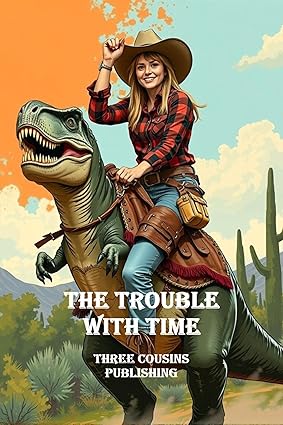
It is with pleasure to announce that here starts a busy couple of weeks, as I have a lot of new material coming out in the “speculative fiction” genre. Books and anthologies in hardcover, paperback, and either Epub or Kindle formats. In the case of the book below, an upcoming audiobook. All these short stories are brand new, never published. From West Mesa Press, via Three Cousins Publishing, comes an anthology on time travel and the troubles or dilemmas that go with it. The Trouble with Time. Edited by Robert Allen Lupton, and it lands at a whopping 316 pages. The cover art is by Mark McConnell. For this book, think of stories related to The Butterfly Effect or Looper. That theme. And read my new story, “Past and Present Company Excepted!”
The Trouble with Time Anthology – Edited by Robert Lupton
Featuring Dagstine Story: “Past and Present Company Excepted”
Details from Amazon (copy-pasted):
Everyone at one time or another has wished that they could go back in time and change something. Perhaps to prevent a world tragedy, kill a despot, or tell an ancestor not to drive to town on a certain day. Perhaps the journey backward would be to obtain foreknowledge about the lottery, the presidential election, the stock market, or even the World Series. The reasons to wish for time travel are legion, but if the truth be told, if we could go back in time, the first thing most of us would do would be to punch our younger selves square in the face.
Changing time can have unexpected and dire results. Think “The Butterfly Effect,” or “A Sound of Thunder.” The scales have to balance. Good intentions often have unintended consequences and even the most benign attempts to intervene are likely to make things worse, far worse.
Twenty-two stories about time travel by talented writers from around the world, each of whom fearlessly explores the dangers and joys of time travel uniquely. Come along for the ride. There’s plenty of time – or is there?
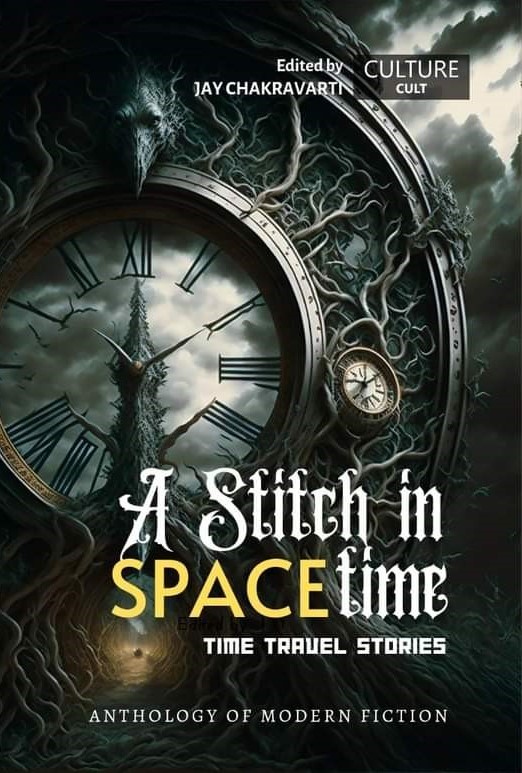
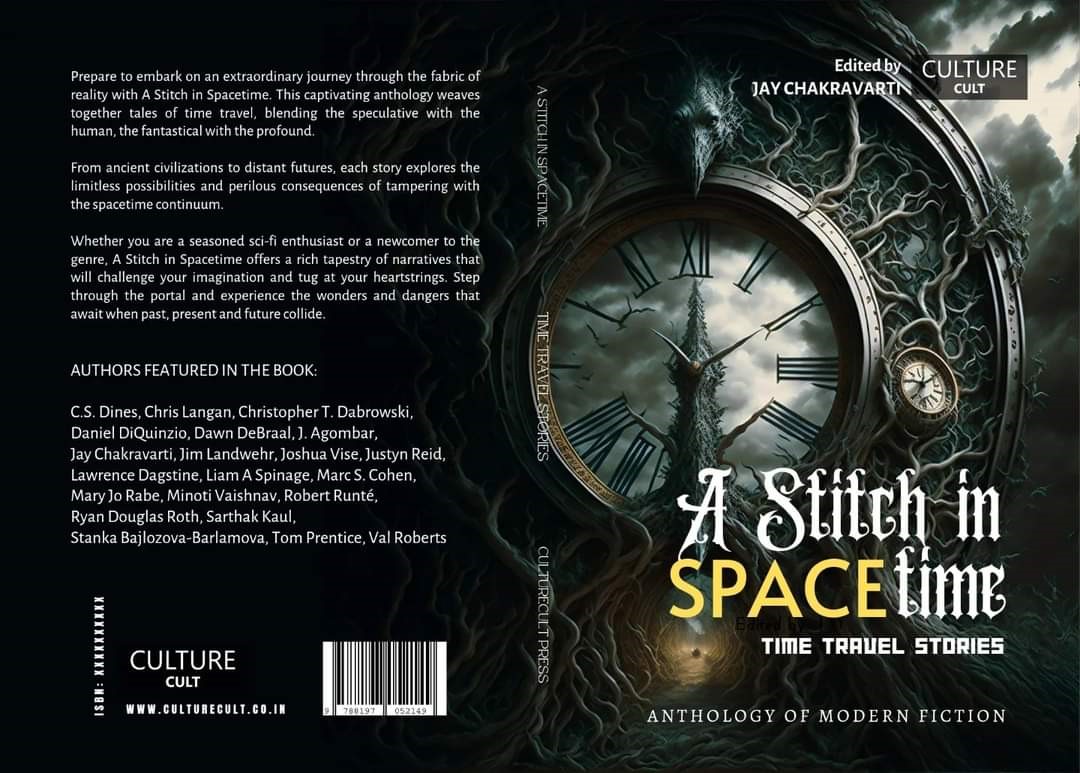
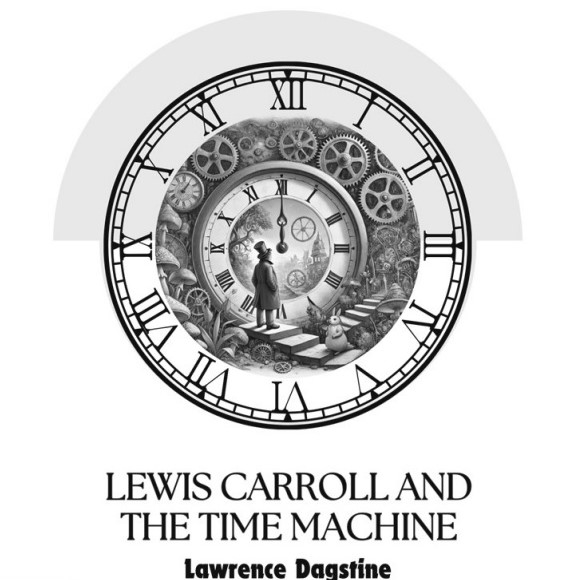
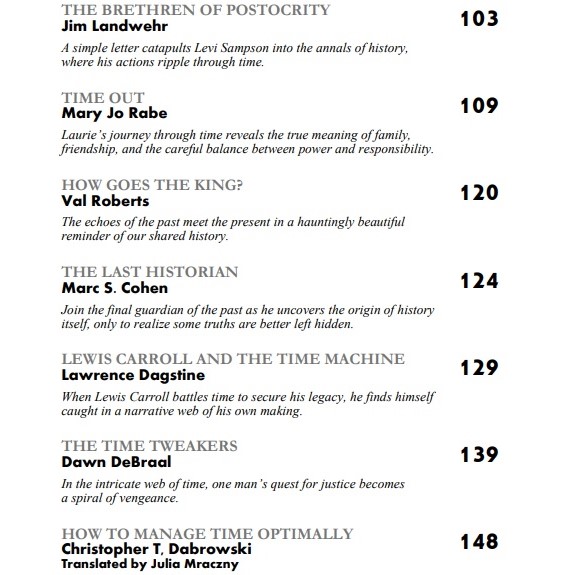
The next book I’m in, and I believe this is my 6th anthology acceptance of 2024, is time travel themed. I have a lot of stuff floating out at time travel markets at the moment. It seems like every few years the subject of time, the mechanics and physics surrounding it, being able to travel backwards and forwards to a specific era and meet somebody historically important, becomes popular again. However, for Culture Cult Press’s latest book, A Stitch in Space Time, I decided to submit a fairy tale-style “mashup,” where Lewis Carroll (aka Charles Lutwidge Dodgson), uses H.G. Wells time machine and tech to travel through a surreal but alternative version of Wonderland. And from a scientific point of view, it involves the Queen of Hearts. What I like most about Culture Cult Press — besides their stellar covers, immaculate interior design, and major distribution throughout India — is that a portion of the proceeds goes to help street animals without owners in Kolkata. Be sure to check out my time travel-themed story in A Stitch in Space Time Anthology, entitled: “Lewis Carroll and the Time Machine.” Links and pics below, and in the side column just to the right.
A STITCH IN SPACE TIME Anthology – published by Culture Cult Press
Edited by Jay Chakravarti – 22 Stories revolving around time travel
Featuring Dagstine Story: “Lewis Carroll and the Time Machine”
AVAILABLE IN PRINT PAPERBACK or as a DIGITAL EPUB (direct links):
I’ve currently got a work of futurist fiction (spec-fic with a steampunk aesthetic tossed in for good measure), appearing in the current edition of DASH Literary Journal. No. #16, 2023. This is the official literary magazine of California State University. Out of Fullerton’s Comparative English Studies Department for Language and Linguistics. I actually studied linguistics back in the 1990s but ended up graduating in journalism and the science of publishing. I used to submit to a handful of literary magazines when I was first starting out in the fiction field. DASH No. #16 features poetry AND fiction, and the short stories in Volume #16 come from the likes of: J.M. Williams, Daniel Webre, Robert S. Gordon, Myself, Mark Silcox, Jared Livingston, James Fowler, and there is a TON of non-fiction. It’s very well put together. I will say that. Links, pics below with website info.
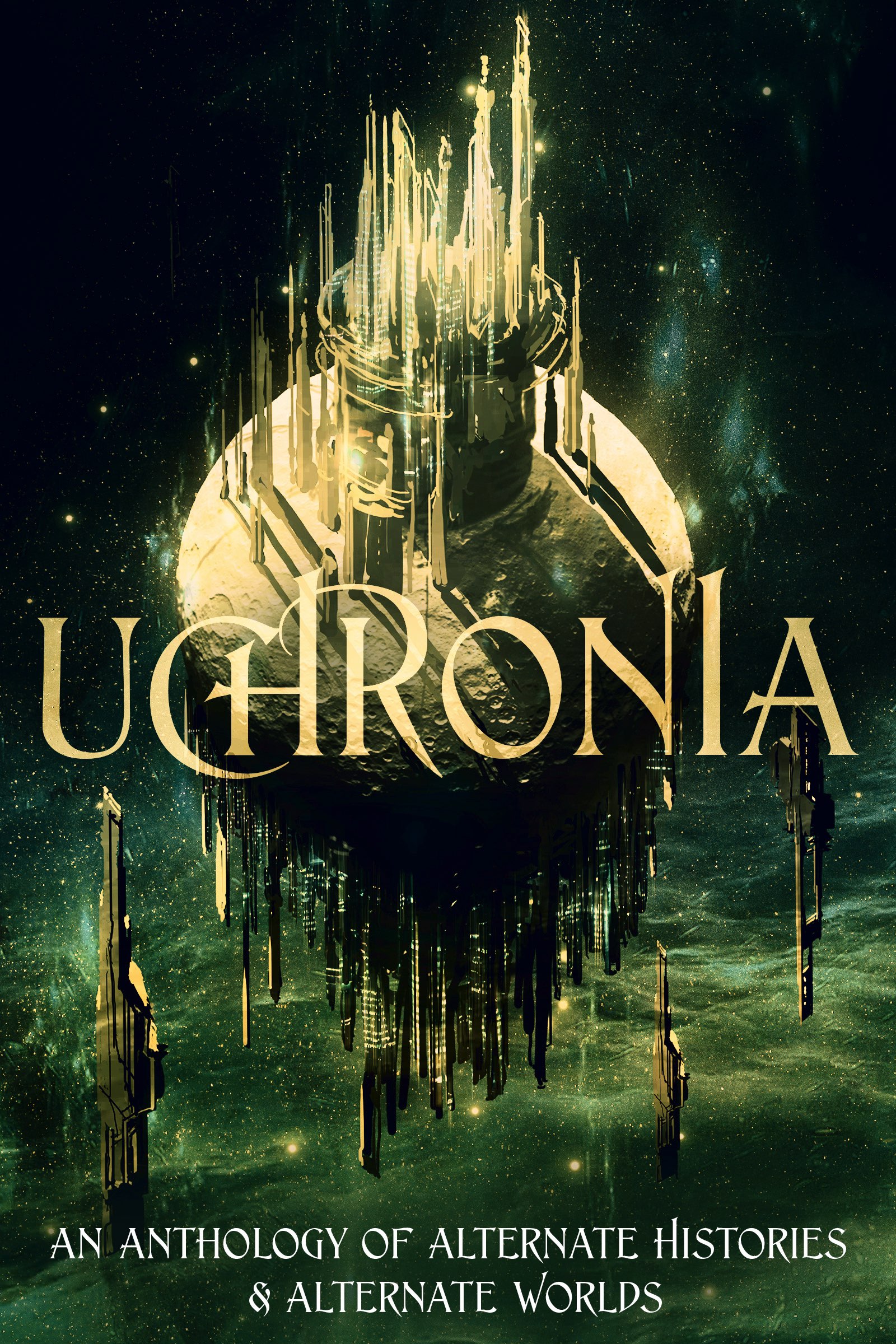
I am very pleased to announce I have my first book contract of 2022. This is a gigantic anthology of alternate history stories (and yes, some steampunk/dieselpunk too, stuff that doesn’t necessarily fit the bill). It is called, “UCHRONIA: An Anthology of Alternate Histories and Alternate Worlds.” Lots of great authors, tons of juicy content. It is a reprint antho, mostly. My story is called, “A Better Life.” It’s a domestic violence story set in a far distant steampunk realm. A woman is trying to escape her abusive husband, and the only way to do so is by airship. Soar to the heavens.
Uchronia will be available WORLDWIDE as an Ebook (at first), on all the usual digital channels. A paperback release with a wraparound cover, to my knowledge, is to follow no later than 2023. When it comes out, just pay attention to Amazon, B&N.com, and the book covers on the right-hand side column of this very website. All you have to do is click on the book cover to be redirected to the ordering page. Hope you are all having a wonderful year so far.
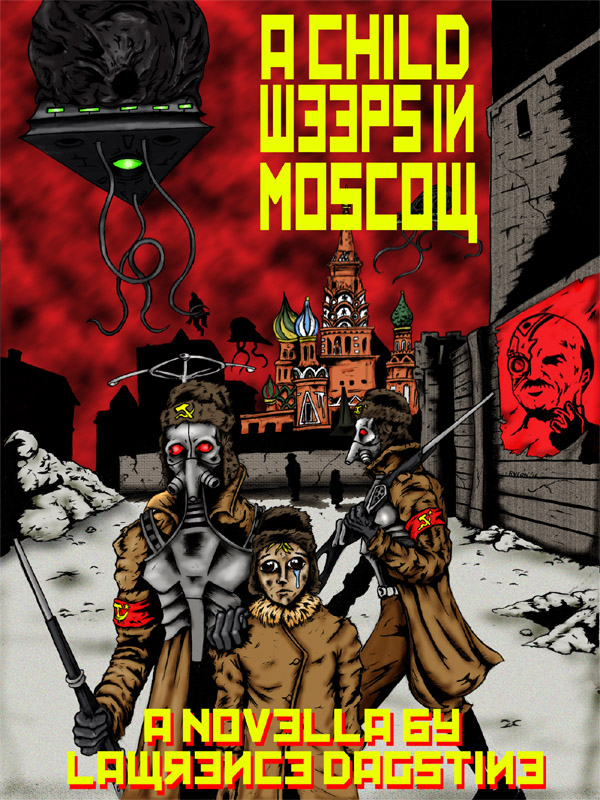
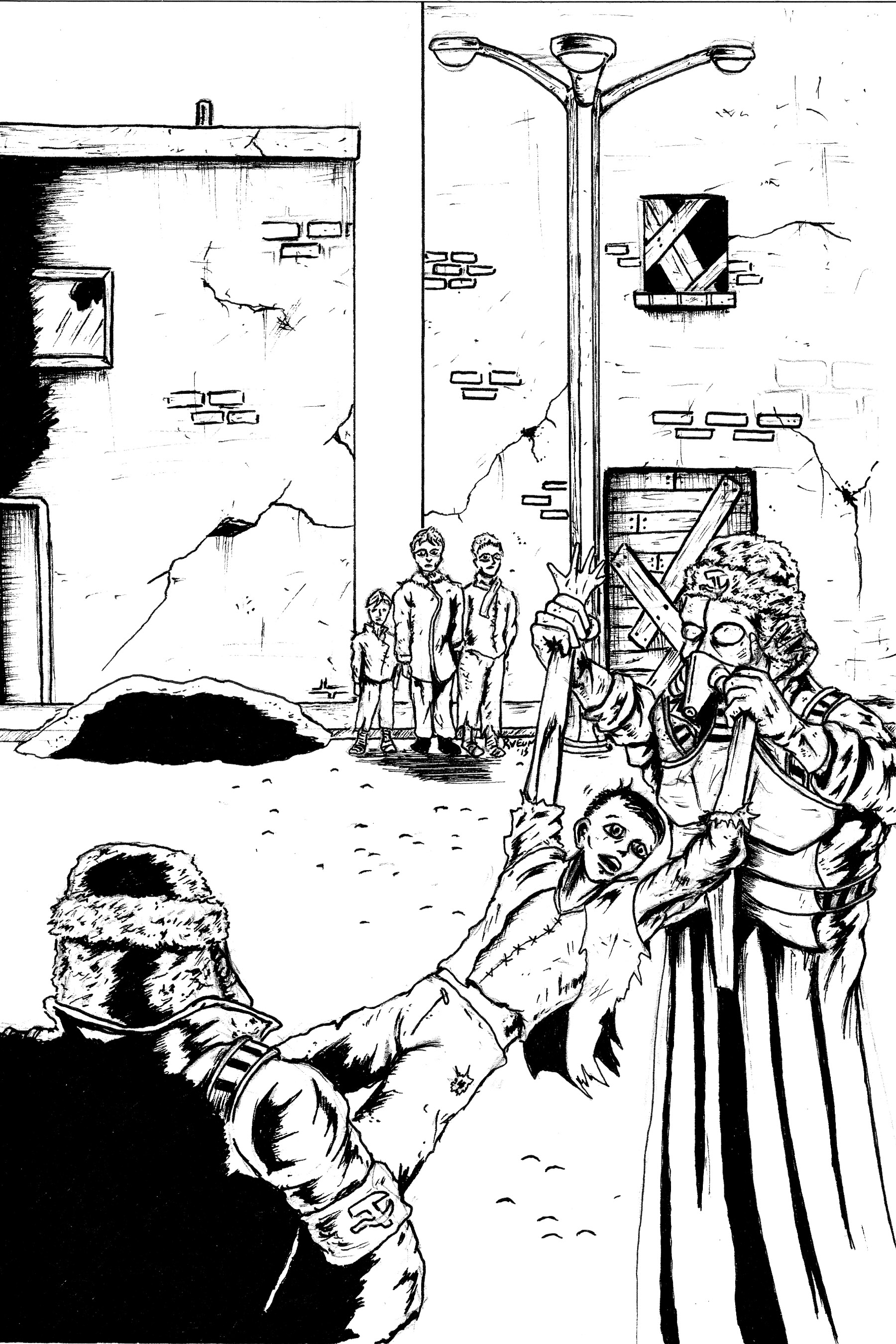
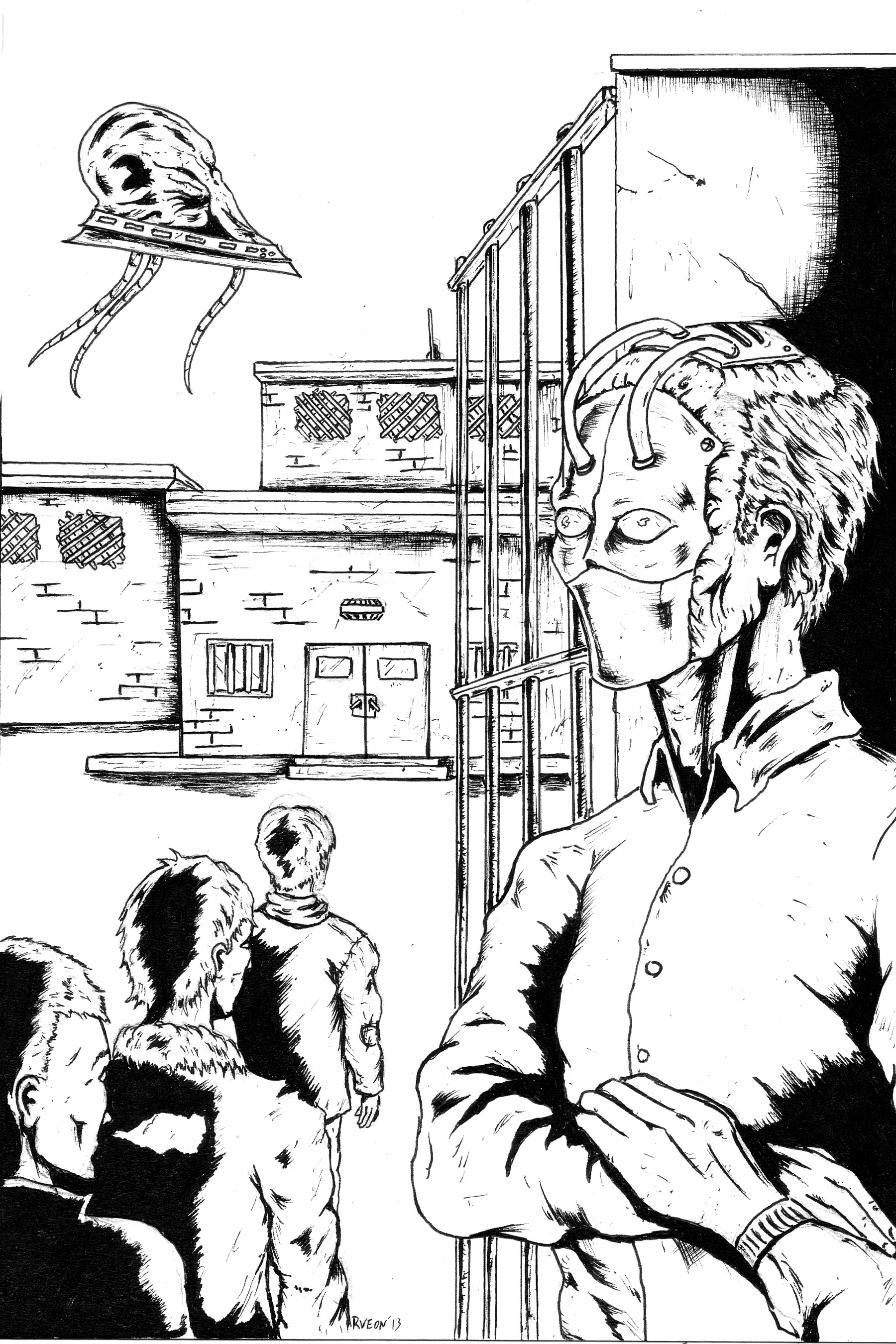
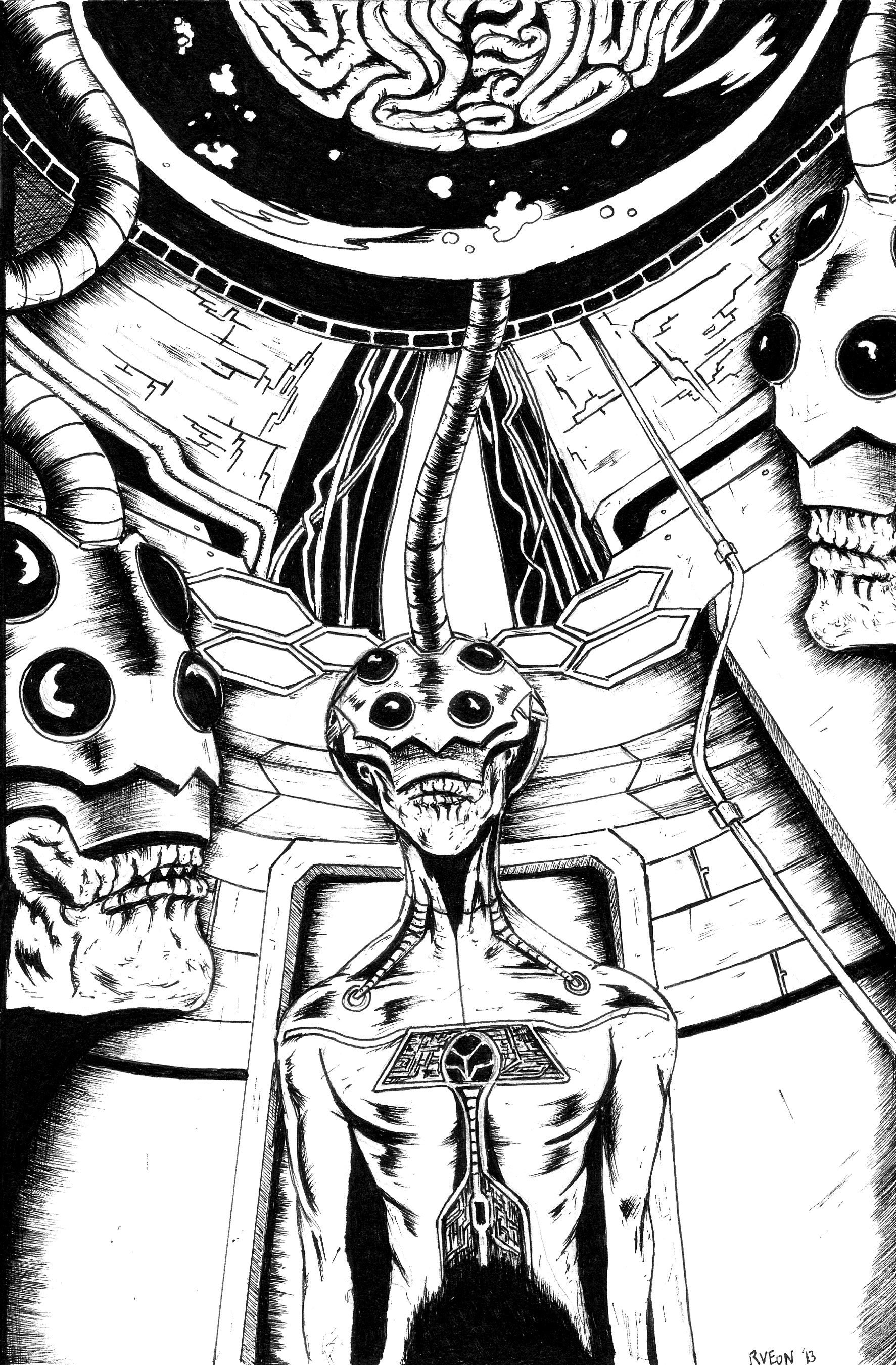
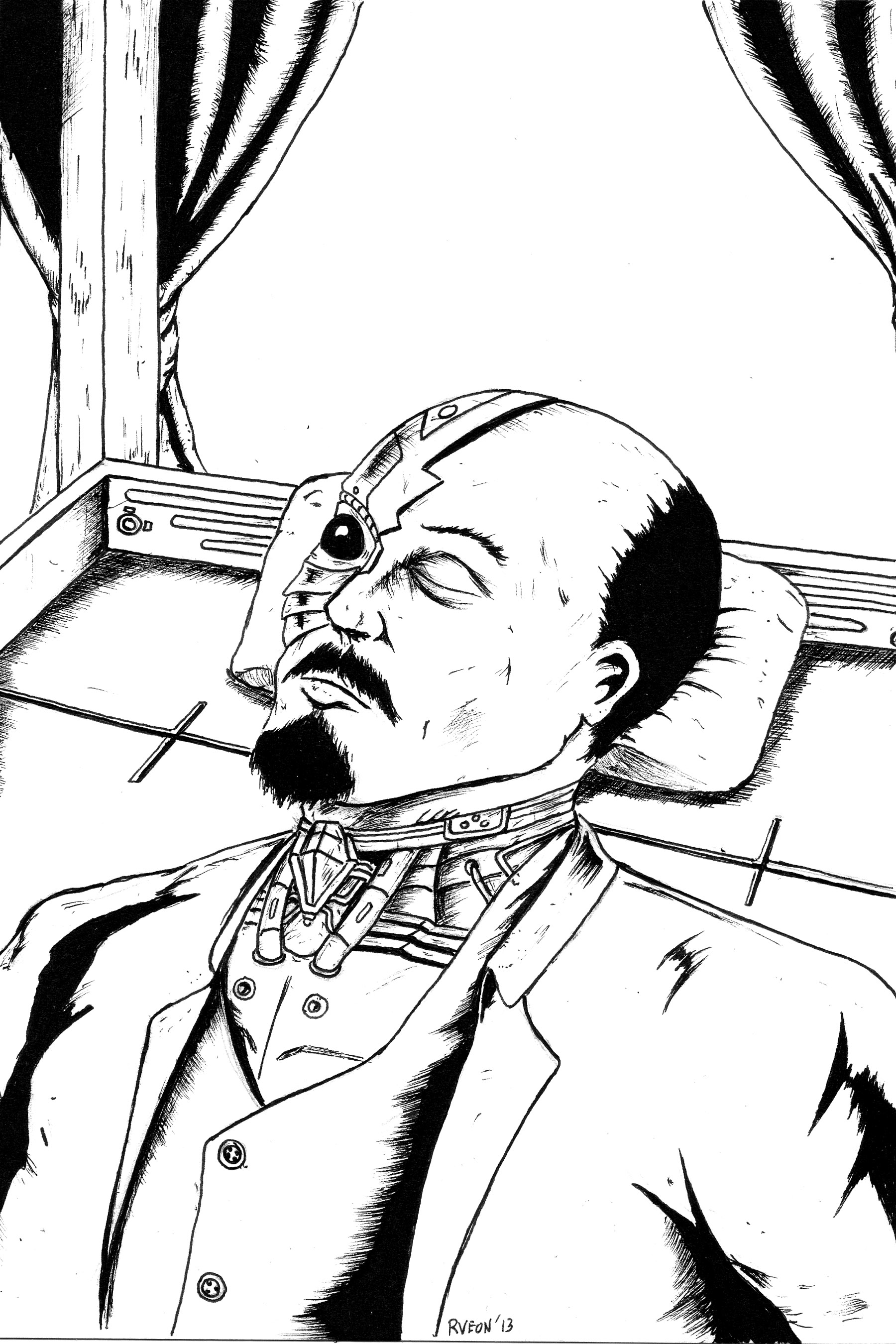
As the writer of the occasional post-apocalyptic yarn and other dystopian fiction, I can say we are living in some very scary times. Coronavirus (COVID-19) is very scary stuff. I never thought I would live to see the day where the stuff of motion pictures (Contagion, Outbreak, and 28 Days Later) would become a daily reality! California is in shutdown mode, New York City is about to be shutdown! Europe has sealed the borders of twenty-six countries; Canada has also closed their borders and taken the necessary measures to contain this horrible virus which seems to prey mostly on the elderly (age 60+ crowd, mainly) and those with underlying health problems and compromised immune systems. I fall into this category myself because my immune system is compromised, so I must be cautious. Then, as an American, you have to worry about the economical impacts, the sociological impacts, and the political ramifications such a scenario has on a nation. This is only the beginning. This is not your average flu. In the coming months there will be food shortages, prescription shortages, medical supply shortages, people may have to stay indoors over a year. Please, self-isolate. Protect your loved ones. You’re going to have a LOT of free time on your hands. What better time to read? That’s why I am giving away one of my Ebooks for free during this health crisis, straight up until the end of this year. A CHILD WEEPS IN MOSCOW, a dystopian yet rather alternative history telling of alien influence in Russia during the Post-Revolution years is FREE until December 31st 2020 on Smashwords. It’s available in ePub AND Mobi formats (Kindle). Read it on your Kindle, your Nook, a phone or iPad or other android device. Whatever works for you. Links, pictures, coupon code below. Remember, free. Most of all, stay safe. Be kind to your neighbor. Self-isolate.






 Lawrence Dagstine: Author
You must be logged in to post a comment.